Weigh a real load
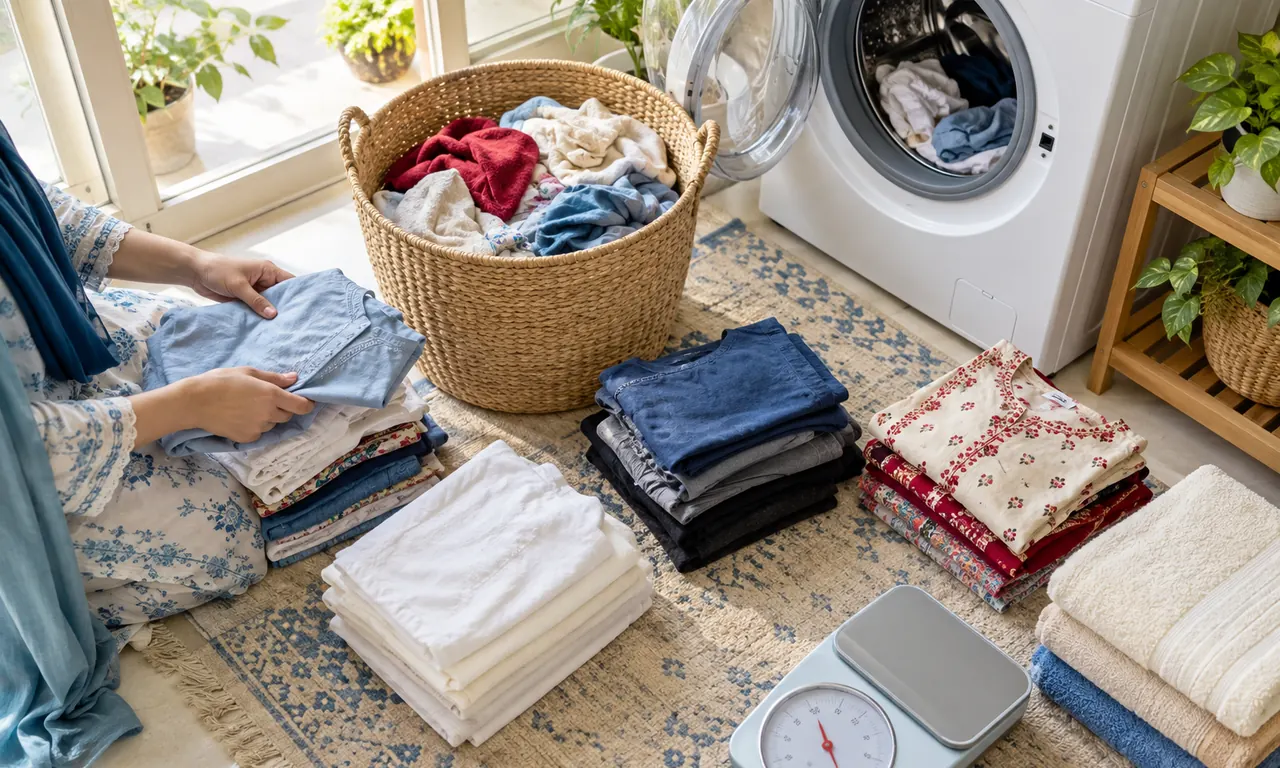
The kilogram rating describes dry textile mass under stated conditions; it is not a promise that every bulky item will move correctly in the drum. Put one normal sorted load into a basket and weigh it on a reliable household scale, subtracting the basket. Repeat for towels and bedding. This converts a vague family-size rule into evidence from your home. Leave the loading space recommended in the manual so water and detergent can circulate.
Worked family scenario
A four-person household may produce several 4–6 kg clothing loads rather than one enormous load. If the largest regular item is a double-bed sheet set, a mid-size washer may be sufficient. Frequent heavy blankets can justify more drum volume, but first confirm that the machine’s cycle permits that item. Our judgment is to size for the largest regular safe load, not an annual exceptional item that may be better handled separately.
Top load, front load or twin tub
Front loaders typically use a horizontal drum and may offer efficient water use and strong spinning, but require suitable floor stability and door clearance. Automatic top loaders simplify loading from above and can suit users who prefer not to bend. Twin tubs provide manual control and can be useful where water supply is less predictable, but require more handling. The best type follows water, drainage, ergonomics and service access rather than fashion.
Water and drainage checks
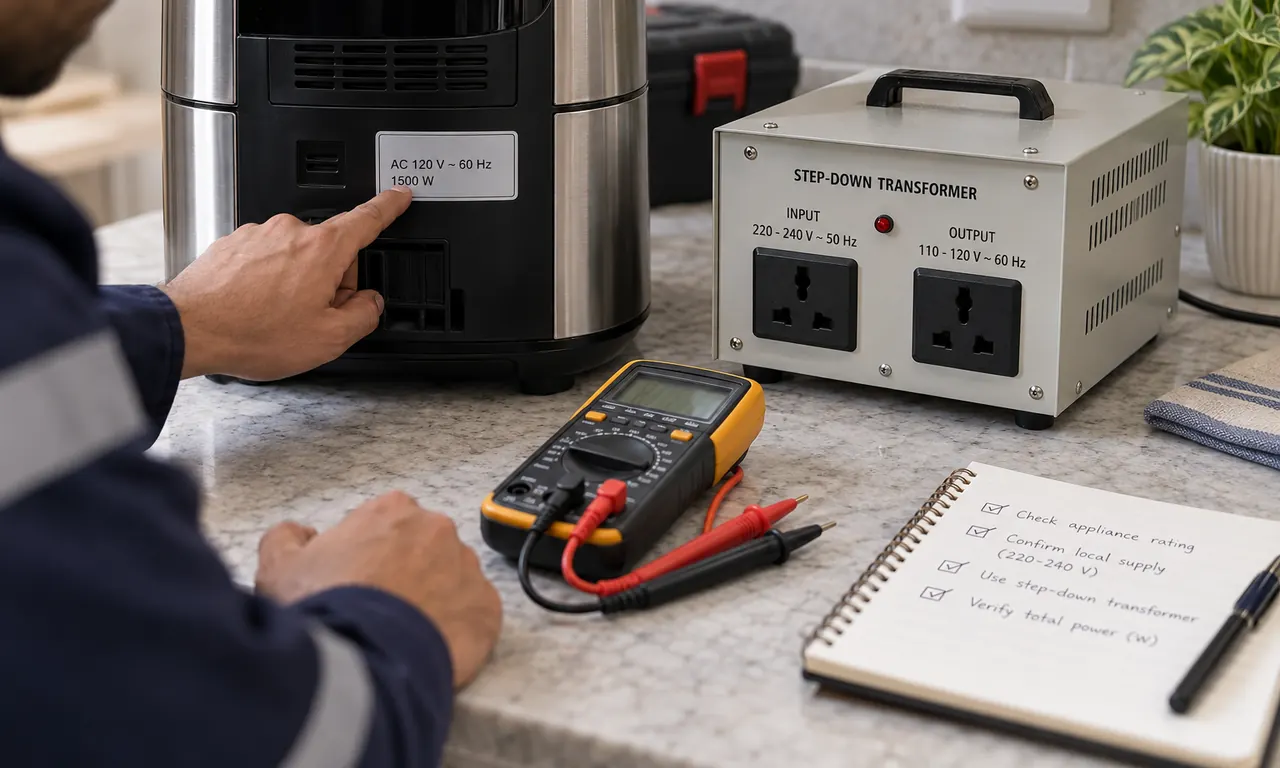
Verify inlet pressure, tap thread, hose reach and whether storage-tank supply meets the manufacturer’s minimum. Map the drain route and maximum allowed height. A hose pushed into an unsuitable opening can siphon, leak or overflow. Keep electrical connections away from wet areas and use proper earthing. An imported compact washer may have unfamiliar fittings and a pump designed for different supply conditions.
Spin speed and drying reality
A higher spin speed can remove more water from compatible fabrics, but noise, vibration and fabric care also matter. No ordinary washer spin leaves clothes fully dry. Compare your balcony, line, indoor rack or separate dryer capacity. In humid weather, strong extraction may be valuable, while delicate garments need gentler settings. Ensure the floor is level and transit bolts are removed exactly as directed.
Running cost and repairability
Energy and water labels help when models use comparable test methods. Real consumption varies by cycle, temperature, load and detergent. Check pump filters, lint handling, replacement hoses and service coverage. A feature-rich imported model without parts or an authorized technician can become more expensive than a simpler locally supported option. Confirm warranty geography before relying on a listing badge.
Decision rule
Measure three normal loads and the bulkiest regular item. Choose a machine that handles them without chronic underloading or overloading, then verify water, drain, socket and physical access. Use the calculator as a planning aid. When two capacities both work, prefer the model with clearer installation documentation, local parts and a cycle set you will actually use.
Sources and verification
Sources checked on 18 October 2026. Product specifications, tariffs, shipping and regulations can change; verify volatile details before acting.
Our editorial order is based on the household decision, not commission. If you browse the category through a paid link, we may earn from a qualifying purchase at no added cost.
Browse Washing Machines options