Start with habits, not a litre number
Capacity labels are useful for comparing models, but two households of the same size can need different layouts. A family buying vegetables daily may value accessible fresh-food shelves; a household preparing meals weekly may need more freezer space. Record the largest pots, trays and bottles you regularly store. The planner on this page creates a starting range from household size and shopping frequency, then asks you to adjust for frozen-food demand. It does not claim that every brand measures usable space identically.
Map one normal week
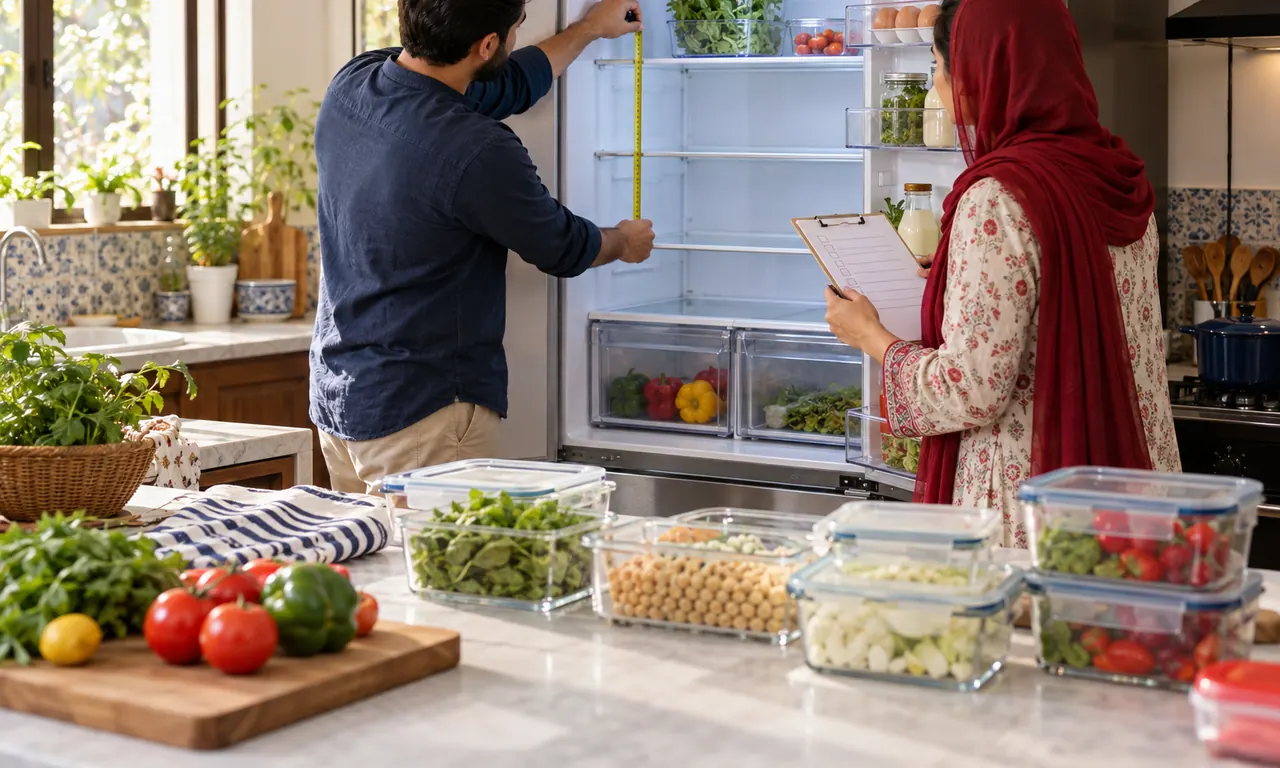
Before choosing, photograph or list a typical week’s groceries. Separate fresh produce, dairy, cooked dishes, drinks and frozen items. Note items that currently block vents or require removing a shelf. This simple audit is more reliable than imagining holiday storage while standing in a showroom. It also reveals whether you need total volume or a better layout. Wide shelves may suit serving dishes, while adjustable door storage can matter more for tall bottles.
Worked household scenario
A four-person household that shops twice weekly and freezes only a few items may fit a mid-size refrigerator with a balanced fresh-food compartment. The same four people buying meat monthly, storing ice and batch-cooking will need more freezer volume or a separate freezer. Our judgment is to avoid buying a very large cabinet solely for rare events: compare the ongoing electricity and kitchen-space cost with temporary planning for occasional demand.
Measure the complete delivery route
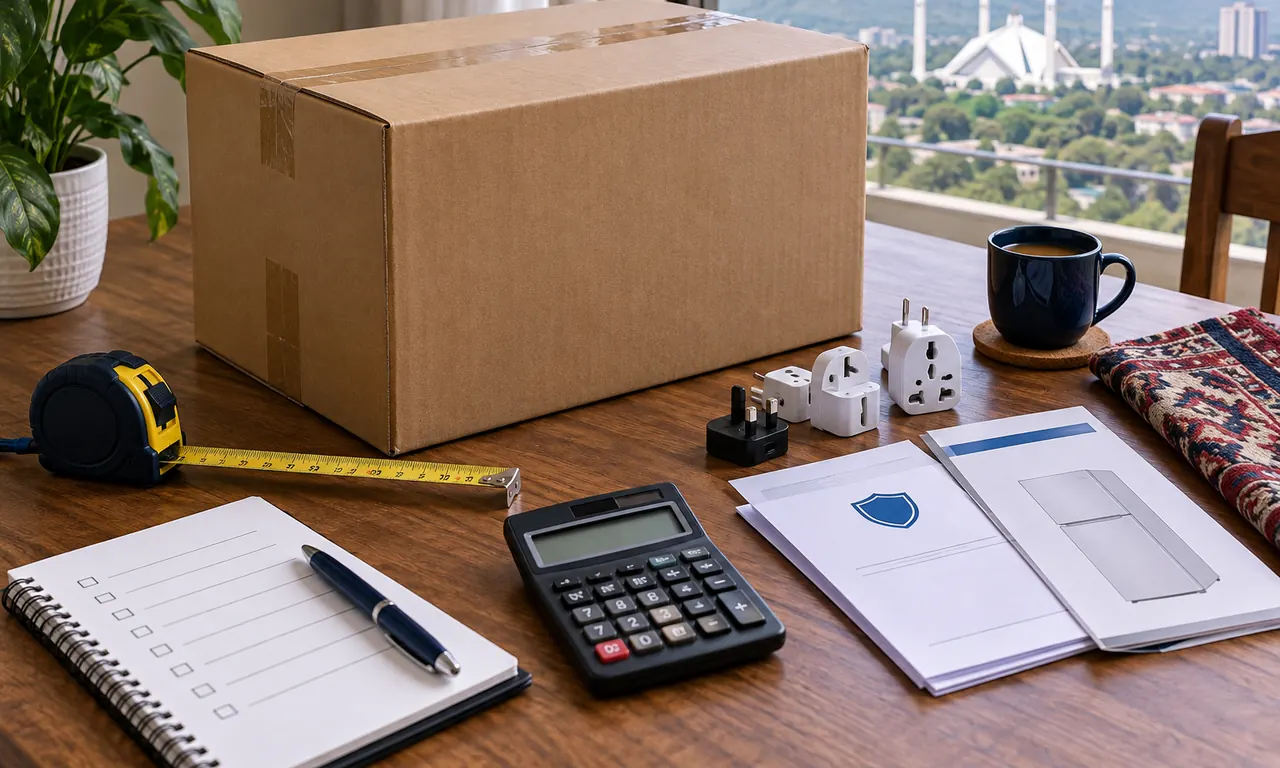
Measure the appliance body, handles and required hinge clearance. Then measure the building entrance, lift, stair turns, corridor, kitchen doorway and final ventilation space. Confirm whether doors can be removed for delivery without affecting warranty. A refrigerator that fits the floor rectangle may still fail at a staircase or be unable to open fully beside a wall. Record socket position and avoid trapping the plug behind a cabinet that must sit flush.
Climate and ventilation
High room temperatures increase compressor work. Follow the manufacturer’s climate-class and ambient-temperature guidance for the exact model, and leave the specified air gap around the cabinet. Do not enclose a freestanding refrigerator as though it were a built-in model. Keep heat sources such as an oven or direct afternoon sun in mind. Stable ventilation can matter more than a small difference in advertised annual energy consumption.
Food-safety boundaries
A mini cooler designed for beverages or cosmetics is not automatically suitable for perishable food. The FDA advises keeping the refrigerator at 40°F or below, about 4°C, and the freezer at 0°F, about −18°C. Use an appliance thermometer where temperature matters. During long outages, limit door opening and follow authoritative food-safety guidance rather than judging only by smell or appearance.
Decision rule
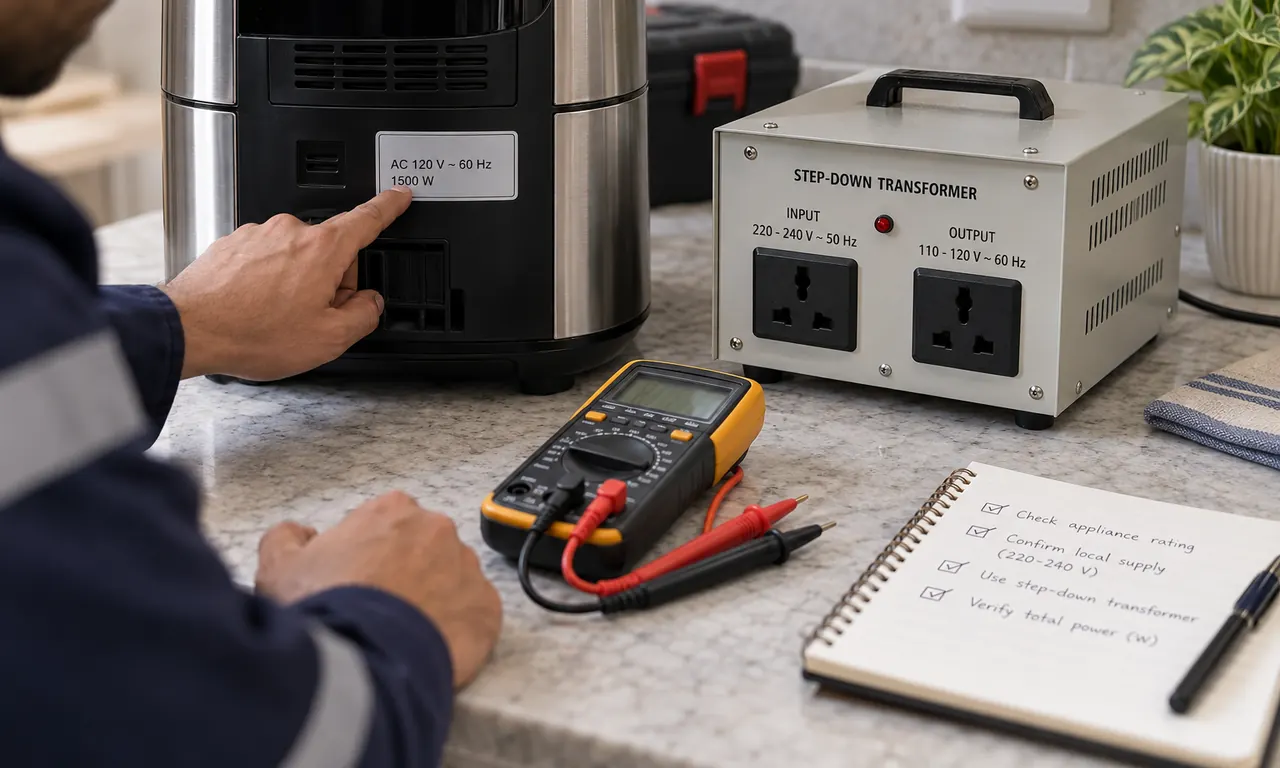
Choose the smallest layout that comfortably accommodates a normal busy week, leaves airflow around food and provides a modest margin. Prefer verified dimensions, clear service coverage and replaceable shelves or seals over decorative features. If an imported model lacks local voltage compatibility, warranty or parts, the apparent price advantage may disappear. Use marketplace links to see categories, then verify the exact model with its manufacturer and seller before ordering.
Sources and verification
Sources checked on 18 October 2026. Product specifications, tariffs, shipping and regulations can change; verify volatile details before acting.
Our editorial order is based on the household decision, not commission. If you browse the category through a paid link, we may earn from a qualifying purchase at no added cost.
Browse Refrigerators options