Start with capture
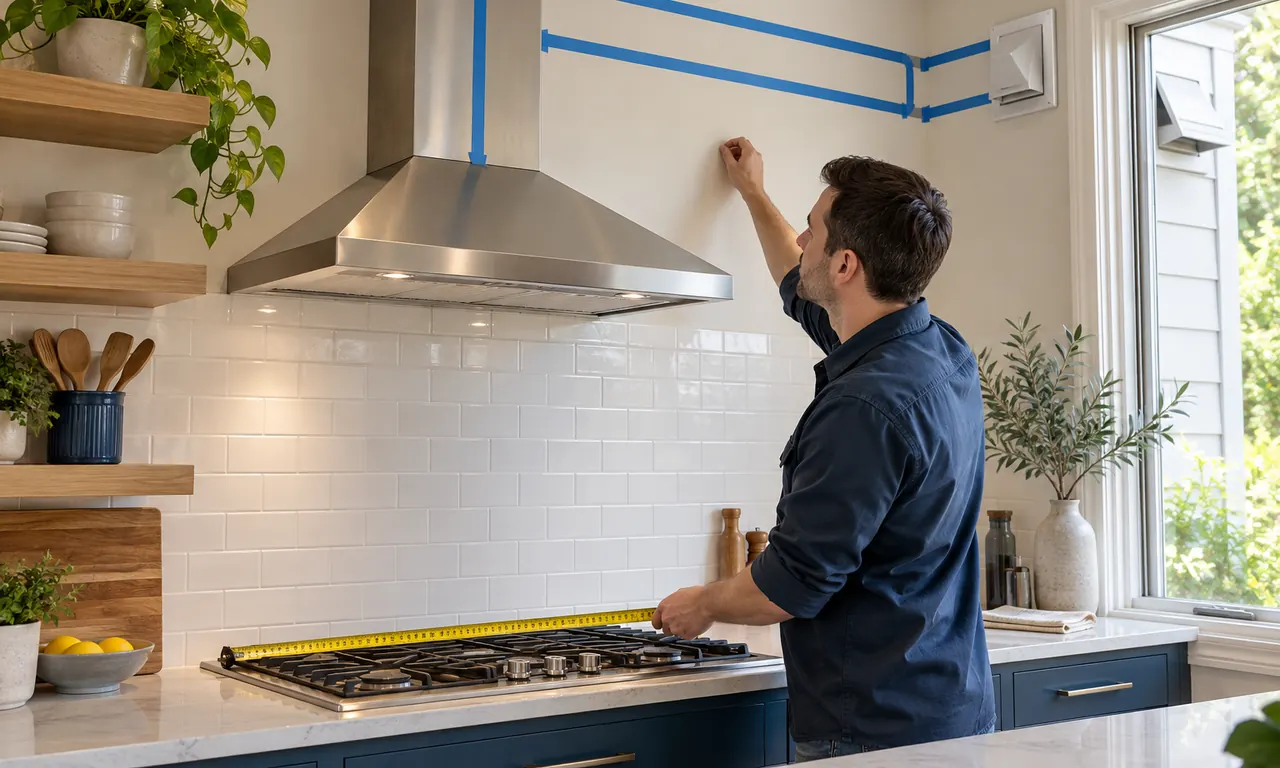
The hood should cover the cooking surface and be mounted at the height specified for the hob and hood combination. A narrow hood placed high above strong burners may let steam and grease escape even if its fan has an impressive airflow claim. Measure the hob width, wall space and vertical clearance before shopping. Island installations are more exposed to cross-drafts and often need a larger capture area.
Ducted or recirculating
Ducted extraction sends air outside and generally removes heat, moisture and pollutants more effectively. Recirculating designs filter grease and, where fitted, odours before returning air to the room; they do not remove the same moisture or heat. Confirm whether charcoal filters are included, available locally and replaceable at a practical cost. Never discharge into a roof or wall cavity.
Worked duct scenario
Compare a hood with a short, smooth duct through the exterior wall against the same fan connected to a long route with several tight bends and a reduced diameter. The second system will usually deliver less real airflow and more noise. Our judgment is to improve the route before buying a higher headline fan rating. Plan the duct while cabinets and ceilings are still accessible.
Airflow numbers need context
Published flow may be measured under conditions that differ from the installed system. Duct diameter, length, bends, back-draft damper, filters and make-up air all change performance. Use the manufacturer’s duct table and local ventilation advice rather than applying a universal formula without context. Strong extraction in a tightly sealed home also requires a safe path for replacement air.
Noise and controls
A hood that is too noisy at the setting needed for daily cooking may remain unused. Compare noise data measured on the same scale and read the conditions. Multiple useful speeds, reachable controls and task lighting add practical value. Remote or gesture control should not replace a control method that still works with wet or greasy hands.
Cleaning and fire prevention
Clean grease filters at the interval and by the method stated in the manual. Accumulated grease reduces airflow and increases fire risk. Confirm that filters can be removed without tools and replacements are available. Keep the hood running as recommended after cooking to clear residual moisture, but do not leave cooking unattended.
Decision rule
Prioritize coverage, a short correctly sized duct route, acceptable noise and serviceable filters. Choose recirculation only with a clear understanding of what it cannot remove. Have gas-combustion and make-up-air interactions assessed where applicable. The best hood is the complete installation that your household will operate and maintain, not the largest isolated airflow number.
Sources and verification
Sources checked on 18 October 2026. Product specifications, tariffs, shipping and regulations can change; verify volatile details before acting.
Our editorial order is based on the household decision, not commission. If you browse the category through a paid link, we may earn from a qualifying purchase at no added cost.
Browse Kitchen Hoods options