Choose the energy source first
Gas offers visible flame and familiar response, induction heats magnetic cookware through an electromagnetic field, and radiant electric heats a surface element. Availability and reliability of gas or electricity, existing circuits, ventilation and household cooking habits should decide the type before styling. A portable induction plate can be a useful supplementary option, but only when the electrical circuit and cookware are suitable.
Measure the cut-out, not only the glass
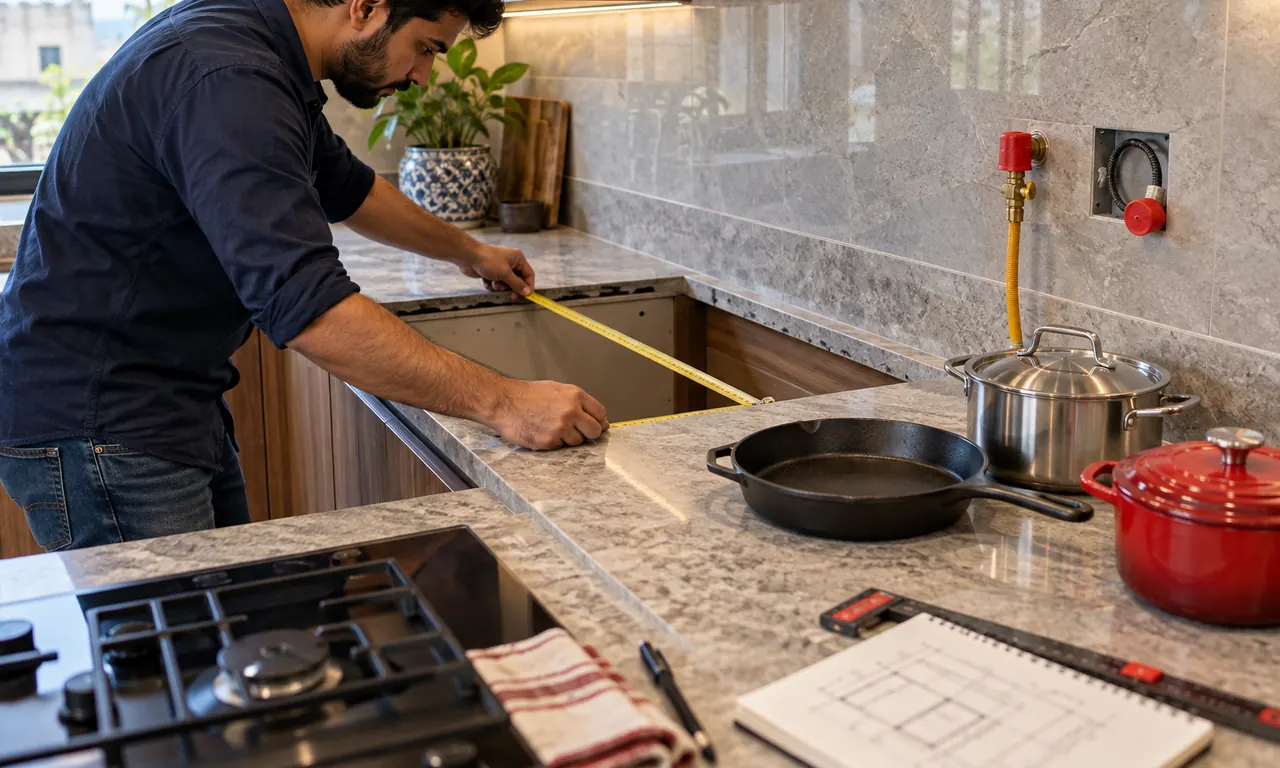
Built-in hobs publish outer dimensions and a smaller required counter cut-out. Measure both and verify corner radius, counter thickness, support, seal and clearances below. Existing granite cannot be assumed to fit another model with the same nominal width. Cutting stone after cabinet installation can create dust and damage; have an experienced installer assess the exact template first.
Worked replacement scenario
A 60 cm gas hob may have a cut-out different from another 60 cm model. If the new opening is smaller, an approved support or trim solution may be possible; if larger, the existing stone may not safely support it. Our judgment is to select from models whose official cut-out drawing fits the counter, rather than forcing the counter to match a discounted appliance.
Cookware compatibility
Induction requires cookware with a magnetic base. A magnet test is a useful first check, but base flatness, diameter and manufacturer guidance still matter. Gas supports many materials but handle heat and flame spread need attention. Radiant surfaces work with more pans but retain heat after switch-off. Match burner or zone sizes to the pots used most often.
Gas and electrical safety
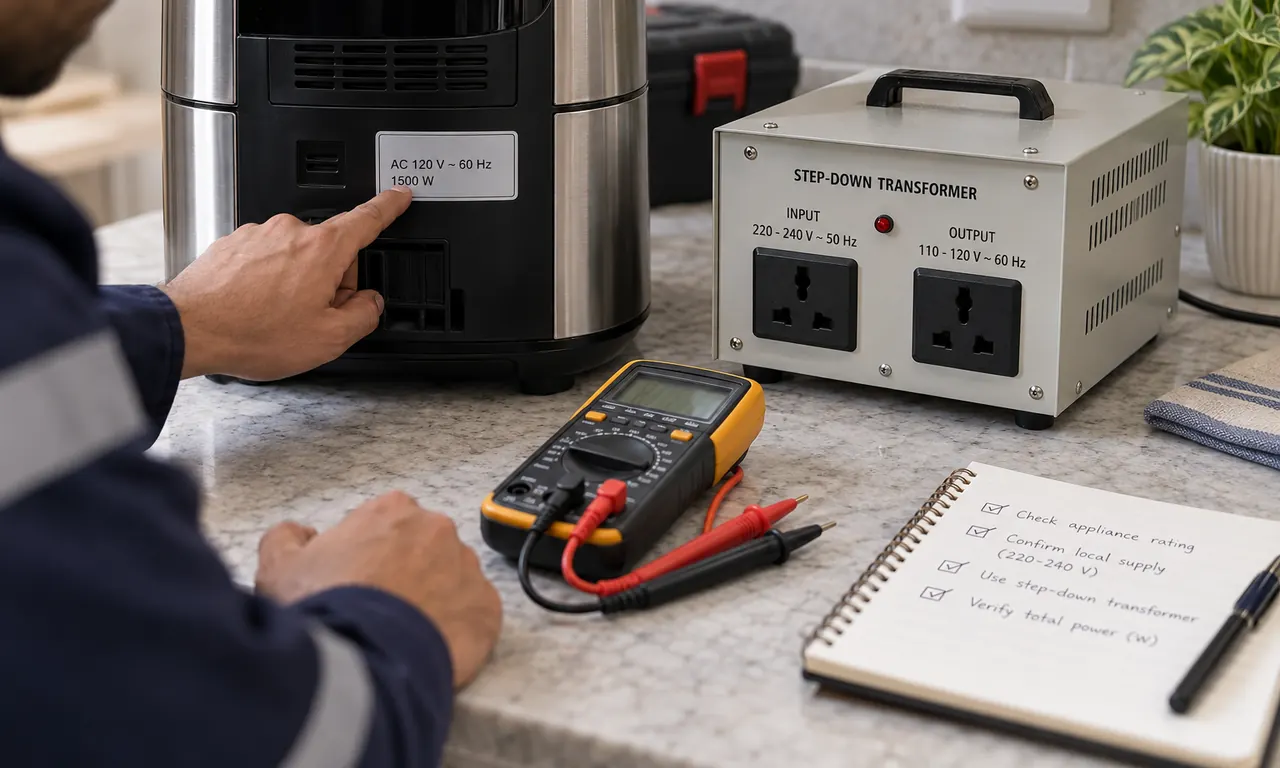
Gas type, pressure, regulator and jet configuration must match the local supply and manufacturer instructions. Electrical ignition or induction requires correct voltage, earthing and circuit protection. Do not use makeshift hoses, adapters or an unventilated cylinder arrangement. Installation and leak testing should be handled by a qualified professional familiar with local conditions.
Ventilation and clearances
Read the required distance to a hood, cabinets, combustible finishes and wall surfaces. A powerful burner in a poorly ventilated kitchen can create heat, moisture and combustion concerns. The hood must capture the cooking zone and exhaust or recirculate as designed. Keep controls accessible and avoid layouts where children can easily reach pan handles.
Decision rule
Select the fuel type and professional installation route, confirm exact cut-out and clearance drawings, test cookware, and only then compare burner layouts and finishes. Local parts and service are especially important for glass, ignition modules and valves. A marketplace category is useful for discovery, but the installation drawing and local technician’s assessment must control the final choice.
Sources and verification
Sources checked on 18 October 2026. Product specifications, tariffs, shipping and regulations can change; verify volatile details before acting.
Our editorial order is based on the household decision, not commission. If you browse the category through a paid link, we may earn from a qualifying purchase at no added cost.
Browse Kitchen Hobs options